
When Your Garage Door Starts Talking, You Should Listen
You press the button on your garage door opener, and instead of the smooth, quiet operation you're used to, you hear grinding, squealing, popping, or rattling. If your garage door has started making unusual noises, it's trying to tell you something — and ignoring the message could lead to a costly breakdown or even a safety hazard.
Homeowners across Huntsville deal with noisy garage doors more often than you might think, especially as seasons change and temperatures fluctuate here in North Alabama. The good news is that most garage door noises point to identifiable problems, and many of them are fixable before they turn into major repairs.
Let's break down the most common garage door sounds, what causes them, and what you should do about each one.
Grinding or Scraping Sounds
A grinding or scraping noise when your garage door opens or closes is one of the most common complaints we hear from customers. This sound typically points to one of a few issues:
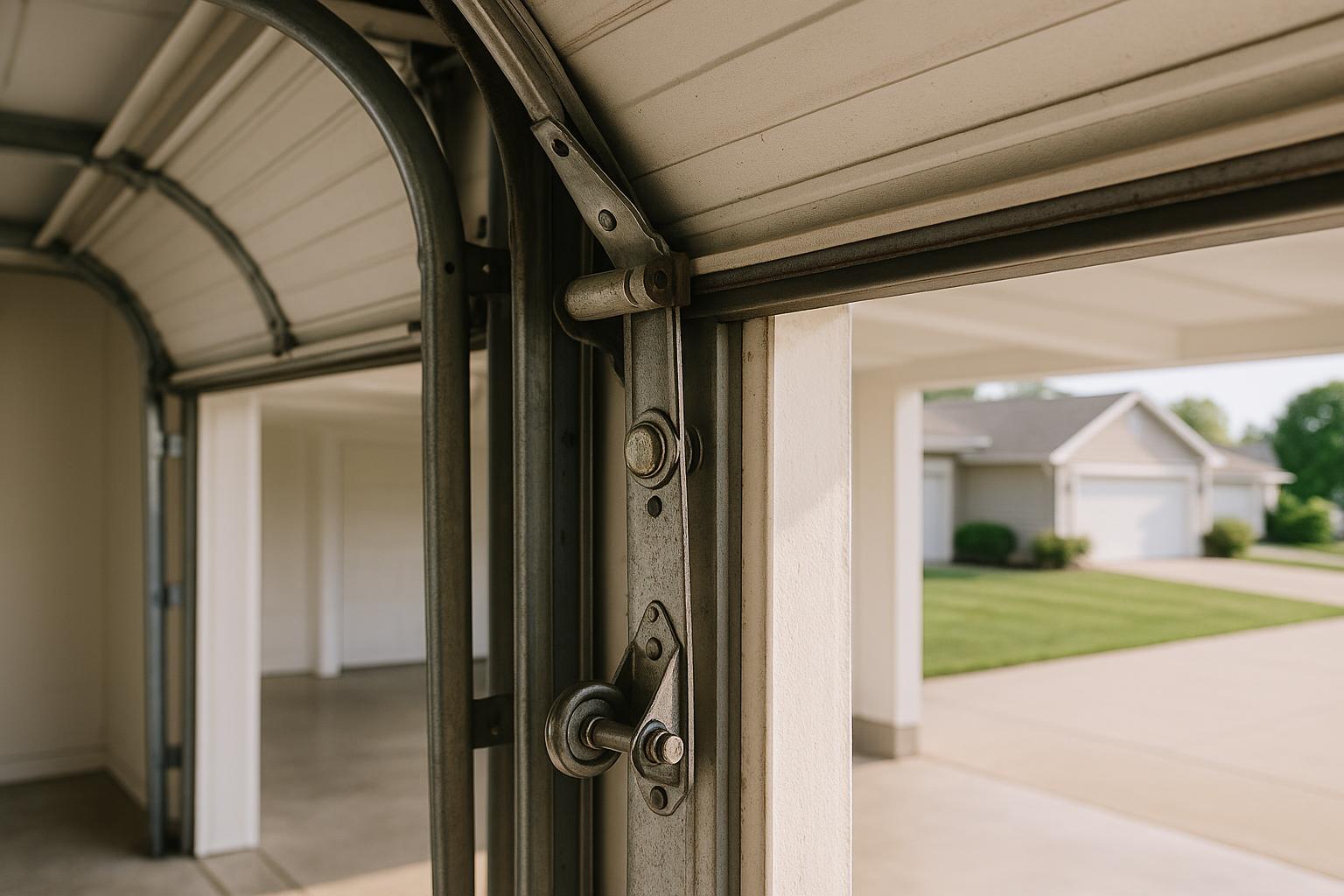
- Worn rollers: Garage door rollers guide the door along the tracks. Over time, especially with steel rollers, they wear down and create a harsh grinding sound. Nylon rollers tend to be quieter and last longer, making them a popular upgrade.
- Misaligned tracks: If the metal tracks on either side of the door become bent or shift out of alignment, the door can scrape against them as it moves. This not only creates noise but can also cause uneven wear on the entire system.
- Lack of lubrication: Metal components moving against each other without proper lubrication will grind. This is one of the simplest fixes — but using the right lubricant matters. We'll cover that below.
If you notice grinding sounds, take a close look at the rollers and tracks. If you see visible wear, cracks in the rollers, or gaps between the rollers and the track, it's time to have them inspected by a professional.
Squealing or Squeaking Noises
High-pitched squealing or squeaking is usually a lubrication issue. The moving parts of your garage door system — including the hinges, rollers, springs, and bearing plates — need periodic lubrication to operate smoothly.
Here in Huntsville, our humid summers and occasionally cold winters can affect lubricant performance. Moisture can cause rust, and cold temperatures can thicken old grease, both of which contribute to squeaky operation.
What to Use for Lubrication
Use a silicone-based or lithium-based garage door lubricant. Avoid WD-40 as your primary lubricant — while it's great for loosening rust, it's actually a solvent and not a long-term lubricant. Apply lubricant to:
- Roller stems and bearings
- Hinges where they pivot
- The torsion spring (lightly coat the coils)
- The bearing plates on either side of the spring assembly
- The lock mechanism
A quick lubrication session every six months can prevent most squealing issues and extend the life of your garage door components significantly.
Loud Banging or Popping
A sudden bang or pop when your garage door operates is more alarming — and for good reason. This sound can indicate:
- A broken torsion spring: When a torsion spring snaps, it releases stored energy and creates a loud bang that many homeowners describe as sounding like a gunshot. If this happens, do not attempt to operate the door. A broken spring makes the door extremely heavy and dangerous to move manually.
- Loose hardware: Over time, the nuts, bolts, and brackets on your garage door can loosen due to the constant vibration of daily operation. Loose hardware can cause panels to shift and create banging sounds during movement.
- Opener issues: If the popping sound comes from the ceiling-mounted opener unit, the drive gear or chain may need attention. A worn gear inside the opener can create a popping or snapping noise right before the opener fails entirely.
Banging sounds should never be ignored. If you suspect a broken spring, call a garage door technician right away. Spring repair involves high-tension components that can cause serious injury if handled improperly.
Rattling or Vibrating
A rattling garage door often comes down to loose components. The most common culprits include:
- Loose chain on a chain-drive opener
- Loose nuts and bolts on the door's hinges and track brackets
- Worn support brackets where the opener attaches to the ceiling
- Loose screws on the door panels themselves
You can often fix minor rattling by tightening the hardware with a socket wrench. However, be careful not to overtighten — stripping the bolts or warping the track brackets can create new problems. If the rattling persists after tightening, a worn or damaged component may need replacement.
A Note About Chain-Drive Openers
Chain-drive garage door openers are durable and affordable, but they're inherently noisier than belt-drive models. If your chain-drive opener has always been loud, that may just be the nature of the system. But if the noise level has increased noticeably, the chain may need adjustment or the opener may be reaching the end of its lifespan. Many Madison and Huntsville homeowners with attached garages choose to upgrade to belt-drive openers for significantly quieter operation, especially when bedrooms are located above or adjacent to the garage.
Ticking or Clicking Sounds
A repetitive ticking or clicking noise usually comes from something caught in the track or a small object stuck to one of the rollers. It can also indicate that a roller is starting to fail — as the bearing wears out, it can create a rhythmic clicking with each rotation.
Inspect the tracks for debris, small rocks, or anything that might have fallen into the channel. If the tracks are clear, examine each roller as the door moves slowly. A roller that wobbles or doesn't spin freely likely needs replacement.
When to Call a Professional
Some garage door noises point to simple fixes you can handle yourself, like lubrication or tightening a loose bolt. But many noises indicate problems that require professional tools, parts, and expertise. You should call a garage door technician if:
- You hear a loud bang and the door won't open — this likely means a broken spring
- The door is visibly off-track or crooked
- Grinding continues after lubrication
- The opener makes unusual sounds and the door moves erratically
- You notice frayed cables, which are under extreme tension and dangerous to handle
Attempting DIY repairs on high-tension components like springs and cables can result in serious injury. It's always safer and more cost-effective in the long run to have a trained technician diagnose and fix the issue properly.
Preventive Maintenance Keeps Things Quiet
The best way to avoid a noisy garage door is to stay ahead of problems with regular preventive maintenance. A professional maintenance visit typically includes lubrication of all moving parts, tightening of hardware, inspection of springs and cables, track alignment checks, and opener testing.
At Huntsville Garage Door Pro, we recommend scheduling a maintenance visit at least once a year — or twice a year if your garage door gets heavy daily use. Our customers in Huntsville, Madison, Decatur, Athens, and the surrounding areas count on us to keep their garage doors running smoothly and quietly all year long.
If your garage door is making noises that don't sound right, don't wait for a small issue to become a big one. Contact Huntsville Garage Door Pro today to schedule an inspection and get your garage door back to quiet, reliable operation.